


What Drives Renter Demand in Fort Worth? Demand Signals to Watch
Key Takeaways
- Fort Worth continues to experience strong rental demand driven by population growth, job expansion, and increasing barriers to homeownership.
- Factors such as competitive pricing, desirable neighborhood locations, modern property features, and seasonal leasing trends all play an important role in attracting and retaining tenants in the Fort Worth rental market.
- Emerald Creek Management helps property owners stay competitive by tracking market demand signals, optimizing rental strategies, and supporting long-term occupancy and investment performance.
Fort Worth continues to grow as one of the more active rental markets in Texas. For landlords and investors, understanding what drives that demand is key to making better pricing, marketing, and investment decisions.
Renter demand is shaped by measurable signals such as job growth, migration trends, affordability, and lifestyle preferences. Watching these signals helps property owners stay ahead of market changes and position their rentals more effectively. Here are a few factors curated by Emerald Creek Management that drive rental demand in Fort Worth:
Population Growth and Migration Trends
One of the strongest drivers of renter demand in Fort Worth is population growth. New residents moving into Fort Worth often rent before buying. As more people enter the area, the demand for rental housing increases. Migration trends also influence the type of housing in demand.
Job Growth and Economic Stability
Employment opportunities play a major role in rental demand. Fort Worth benefits from a diverse economy that includes industries such as healthcare, manufacturing, logistics, and aerospace.

When job growth is strong, more people move to the area, and existing residents are more confident in their ability to afford rent. This leads to higher occupancy rates and more consistent demand. Large employers and ongoing business development in the region also support long-term stability.
Housing Affordability and Homeownership Barriers
As home prices and interest rates rise, many residents find it more practical to rent. This is especially true for first-time buyers who may not yet have the savings needed for a down payment.
In Fort Worth, rental housing often provides a more accessible option for those who want flexibility or are waiting for better market conditions before purchasing a home. Higher barriers to homeownership typically lead to increased demand for rentals.
Rental Price Trends
Rental pricing directly affects demand. When rents are aligned with the local market, properties tend to lease faster and attract more qualified tenants. In Fort Worth, rental rates have generally followed population and job growth trends.
As demand increases, rental prices may rise, but they must still remain competitive with nearby properties. Monitoring pricing trends helps landlords stay competitive and avoid extended vacancies.
Inventory Levels and Housing Supply
The number of available rental properties also influences demand. When inventory is low, renters have fewer choices, which increases competition for available units. When new housing developments are introduced, supply increases, which can slow demand temporarily.
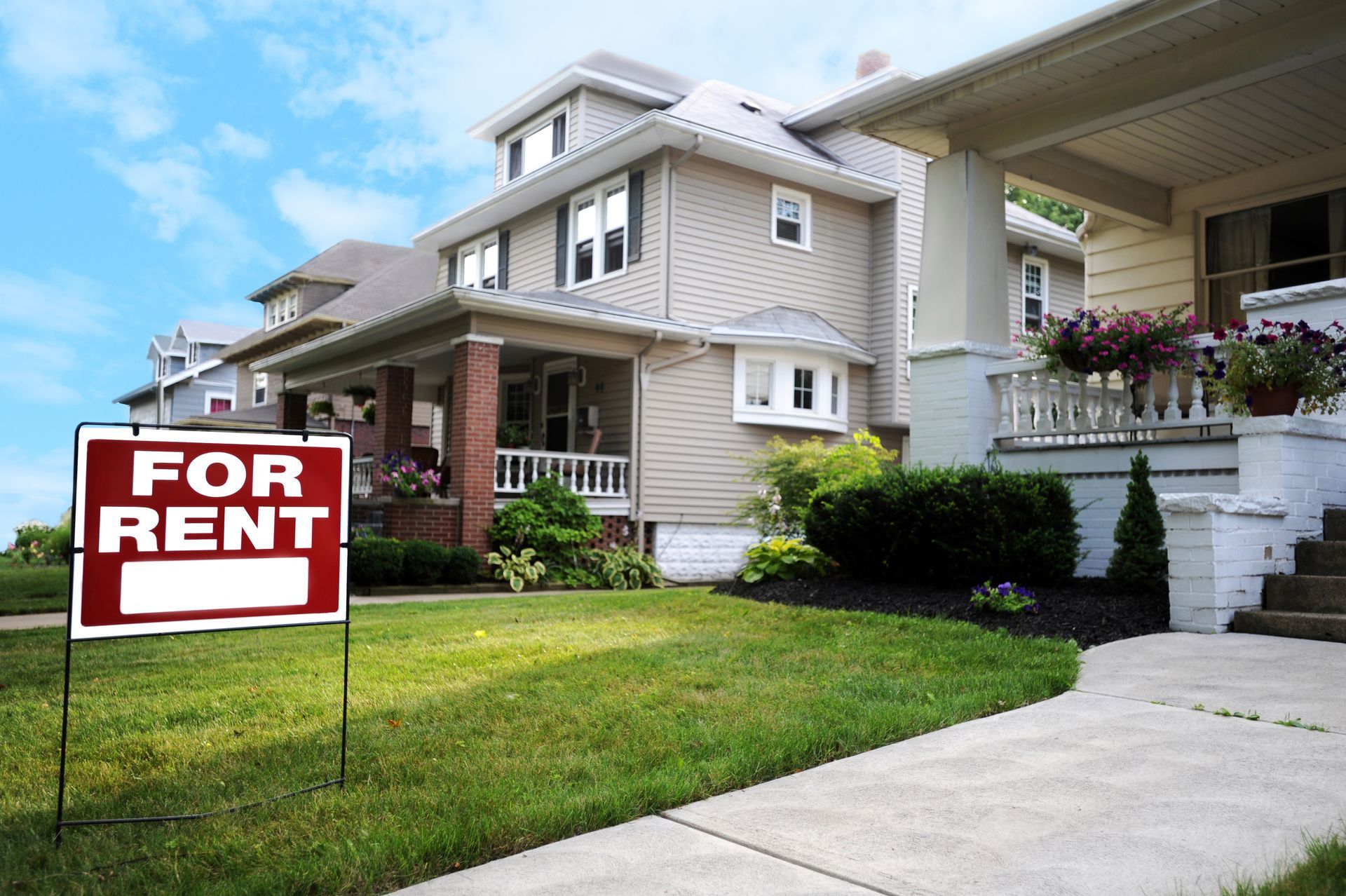
Understanding supply levels helps landlords adjust pricing and marketing strategies based on how competitive the market is at a given time.
Lifestyle Preferences and Property Features
Renter expectations have shifted in recent years. Common preferences include:
- Open layouts and natural light.
- Updated kitchens and bathrooms.
- In-unit laundry.
- Outdoor space.
- Pet-friendly policies.
- Reliable internet access.
Properties that meet these expectations tend to attract more interest and retain tenants longer. Understanding what renters value helps landlords prioritize upgrades and improvements that increase demand.
Location and Neighborhood Appeal
Not all areas within Fort Worth experience the same level of demand. Location remains one of the most important factors for renters. Proximity to employment centers, schools, shopping, and major highways increases a property’s appeal. Access to public transportation and local amenities also plays a role. Areas that offer convenience and a strong community feel tend to attract more consistent demand.
Seasonality and Leasing Cycles
Renter demand often follows seasonal patterns. In Fort Worth, activity tends to increase during spring and summer months when more people are relocating or changing housing. Demand may slow during late fall and winter, which can lead to longer vacancy periods if not planned for.

Landlords who understand these cycles can time lease expirations and marketing efforts more effectively. Listing a property during peak demand periods can result in faster leasing and stronger rental rates.
Interest Rates and Market Conditions
Broader economic conditions, including interest rates, can influence renter demand. When mortgage rates are high, fewer people choose to buy homes, which increases demand for rentals. When rates decrease, some renters may transition to homeownership, which can slightly reduce rental demand. Monitoring these trends helps landlords anticipate shifts in renter behavior and adjust strategies accordingly.
Tenant Stability and Retention Trends
When tenants choose to renew their leases, it reflects satisfaction with both the property and the market conditions. High retention rates often indicate that renters are finding value in staying put, whether due to affordability, convenience, or limited alternatives.
Landlords who focus on tenant satisfaction can reduce turnover costs and maintain steady occupancy even when market conditions fluctuate.
Why It’s Important to Track Demand Signals
Understanding what drives renter demand allows landlords to make more informed decisions. It helps with:
- Setting competitive rental prices.
- Planning property upgrades.
- Timing listings and lease renewals.
- Identifying high-demand areas for real estate investments.
Instead of reacting to the market, landlords who track these signals can stay ahead and position their properties more effectively.
How Property Management Helps in Market Analysis
Tracking market trends and demand signals takes time and consistent attention. Data changes frequently, and missing key shifts can affect performance. A professional property management company monitors local market conditions, pricing trends, and tenant behavior.

Reliable property managers like Emerald Creek Management support property owners by analyzing demand, optimizing pricing, and ensuring properties remain competitive in the Fort Worth rental market.
Bottom Line
Renter demand is driven by a combination of population growth, job opportunities, affordability, and evolving tenant preferences. These factors work together to shape how quickly properties rent and how much income they can generate.
If you want expert guidance on navigating renter demand and maximizing your property’s potential, Emerald Creek Management can help you stay competitive and make informed decisions. Contact our property management company!